DIY Winter Prep with Rock Salt in Montgomeryville & Skippack, PA: Save Time and Avoid Surface Damage
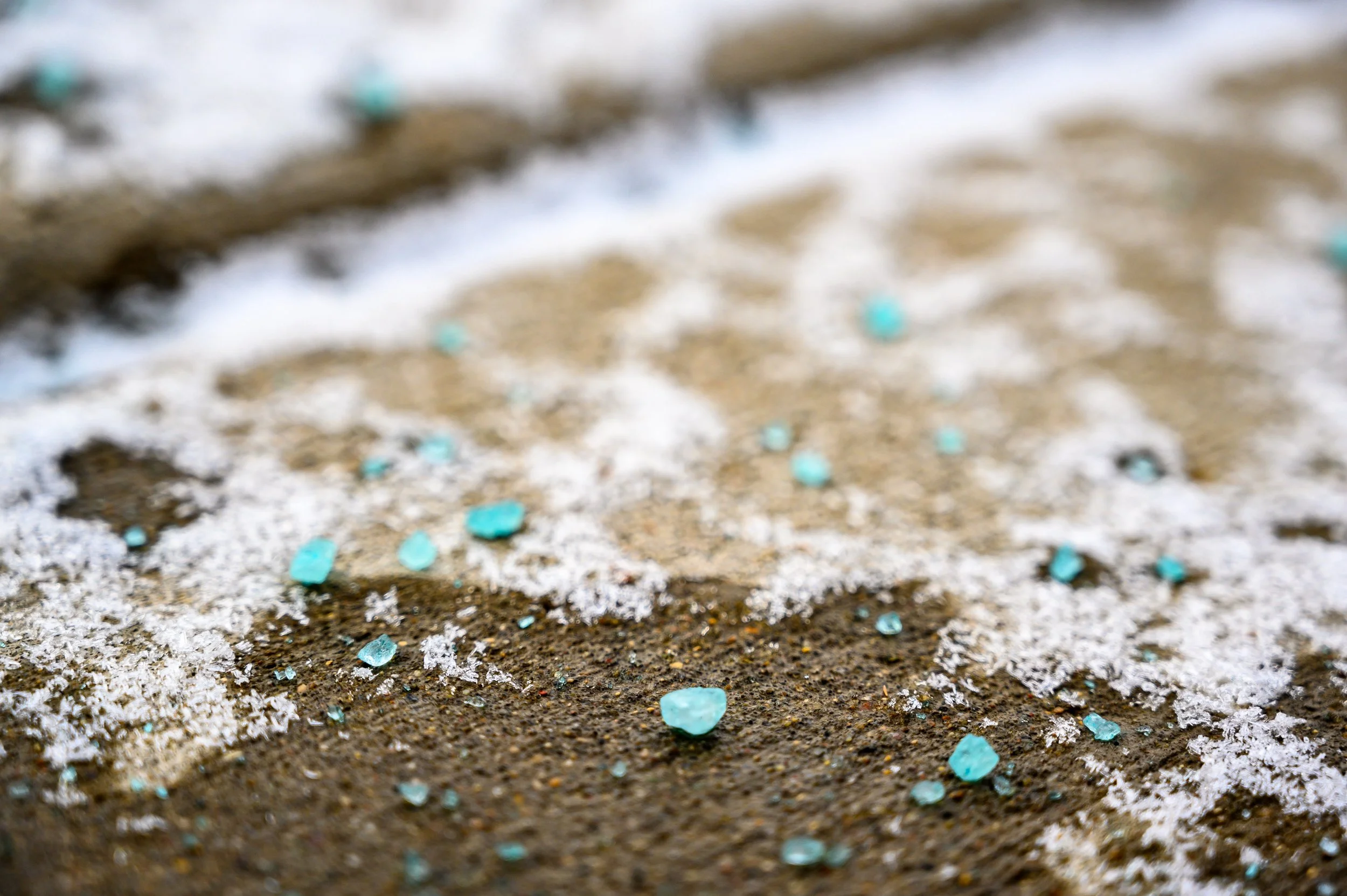
If you’re responsible for keeping surfaces safe—whether for your own property or for clients—you already know winter prep isn’t optional. It’s strategic. That’s where rock salt Montgomeryville & Skippack, PA, comes into play.
Winter in southeastern Pennsylvania doesn’t ease in quietly. One week it’s cold rain, the next it’s sleet, freezing temperatures, and snow that turns driveways and job sites into liability zones overnight. Used correctly, rock salt is one of the most effective tools for winter maintenance in this region. Used carelessly, it can damage concrete, kill turf, corrode equipment, and create more work than it saves.
Our landscaper supply and winter maintenance experts work with contractors and hands-on DIYers every season, helping them make smarter decisions that protect surfaces, save time, and keep projects moving even when the weather doesn’t cooperate.
This guide is built for people who want to do winter right. You’ll learn how timing, local climate conditions, and proper application techniques make all the difference—and how access to reliable contractor supplies and bulk rock salt changes the entire equation.
Winter Conditions in Montgomeryville & Skippack: Why Strategy Matters
Montgomeryville and Skippack sit in a part of Pennsylvania where winter weather is unpredictable by design. You’re not dealing with consistently cold, dry snow like the Midwest, nor mild winters that barely dip below freezing. Instead, you get frequent freeze-thaw cycles, mixed precipitation, and temperature swings that hover right around the danger zone.
One day it’s 36 degrees and raining. Overnight, it drops to 28. That water freezes into a thin, invisible sheet of ice that’s far more dangerous than a heavy snowfall. These conditions are exactly why winter maintenance requires more than reactive shoveling.
Our supply experts recommend planning winter prep around:
Managing Freeze-Thaw Cycles
Contractors and DIYers recommend winter prep planning with frequent freeze-thaw cycles in mind, especially in areas where temperatures hover just above and below freezing. Melted snow and slush can refreeze overnight, creating slick, hazardous surfaces that require proactive treatment rather than reactive cleanup.
Preparing for Heavy, Wet Snow
Heavy, moisture-rich snow is common in this region and compacts quickly under foot and vehicle traffic. Winter strategies account for this added weight and density, which can make removal more difficult and increase the risk of ice bonding if not addressed promptly.
Addressing Ice Storm Conditions
Ice storms present a different challenge altogether. When freezing rain bonds directly to concrete and asphalt, surfaces become extremely difficult to clear without proper pretreatment and timing. Planning ahead helps prevent ice from gaining a strong hold on hard surfaces.
Controlling Moisture-Driven Surface Wear
High moisture content throughout the winter season accelerates surface deterioration when not properly managed. Our experts factor this into winter prep strategies to help protect pavement, limit long-term damage, and keep surfaces performing safely through repeated storms.
Rock salt plays a critical role in managing these conditions, but only when you understand when to apply it, when to hold back, and how to support it with proper snow removal techniques.
Why Rock Salt Is Still a Go-To for Contractors and DIYers
Despite newer ice melt products entering the market every year, traditional rock salt remains a staple for winter maintenance in Montgomeryville and Skippack. There’s a reason professionals still rely on it.
Rock salt works by lowering the freezing point of water. When applied at the right time, it prevents snow and ice from bonding to surfaces, making removal faster and cleaner.
For contractors managing multiple properties, access to bulk rock salt means fewer delays, more consistent results, and better control over job schedules. For DIYers, it means safer walkways without overcomplicating the process.
Professionals often apply rock salt when:
Temperatures are between 15°F and 32°F
You need fast action during active snowfall
You’re pretreating hard surfaces before storms
You’re managing large surface areas efficiently
The key isn’t whether rock salt works—it’s how you use it.
Should You Put Down Rock Salt Before It Snows?
Yes—and when done correctly, this is one of the smartest winter maintenance moves you can make.
Pretreating surfaces with rock salt before snowfall creates a barrier that prevents snow and ice from bonding to concrete and asphalt. Instead of chipping away at frozen buildup after the fact, you’re setting yourself up for faster clearing and less surface stress.
Our experts recommend pretreatment when:
Snow or ice is forecast within 24 hours
Pavement is dry or only slightly damp
Temperatures are expected to stay above 15°F
In Montgomeryville and Skippack, pretreating is especially effective because storms often start as rain or sleet before turning to snow. That early moisture is exactly what causes ice bonding. A light, even application of rock salt disrupts that process.
For contractors, pretreatment saves labor hours and reduces return visits. For DIYers, it means fewer icy surprises in the morning and less physical strain later.
How Do I Pretreat A Driveway Before An Ice Storm?
Ice storms are the most damaging and dangerous winter events in this region. Freezing rain bonds instantly to surfaces, creating dense, slick ice that’s difficult to remove once it sets.
Pretreatment is your best defense. You can approach pretreating before an ice storm with precision with strategies like:
Remove debris
Clearing debris from the surface allows rock salt to make contact with the pavement directly
Control the application
Apply rock salt evenly, not heavily, to clear all ice from the area.
Know the danger zones
Focus on high-risk areas like slopes, shaded zones, and expansion joints to prevent slips, falls, and other accidents.
Timing is everything. Apply rock salt just before temperatures drop below freezing—too early and moisture can dilute it; too late and ice may already be bonded.
Contractors managing commercial properties rely on bulk rock salt supplies to ensure consistency across sites. DIYers benefit from smaller, controlled applications that avoid overuse and minimize surface impact.
The goal isn’t to melt everything instantly. It’s to prevent ice from gaining a foothold in the first place.
When Should I Not Use Rock Salt?
As effective as rock salt is, there are times when it’s not the right solution—and knowing when to pause is just as important as knowing when to apply.
Our experts advise against using rock salt when:
Temperatures fall below 15°F, where salt becomes far less effective
Surfaces are newly poured concrete, which is more vulnerable to scaling
You’re working near sensitive plantings without proper containment
Ice has already bonded thickly and requires mechanical removal first
In extreme cold, alternative ice control methods or blended products may perform better. In Montgomeryville and Skippack, however, prolonged sub-15°F temperatures are less common, which is why rock salt remains such a practical choice for most winter maintenance needs.
The real damage happens when rock salt is overused. More isn’t better. Excess salt increases surface wear, corrodes metal, and migrates into soil, where it disrupts plant health. Strategic application protects both surfaces and the surrounding landscapes.
Will Rock Salt Melt Snow Without Shoveling?
This is one of the most common misconceptions—and the answer is no, not effectively.
Rock salt is not a replacement for shoveling or plowing. It’s a support tool. It works best when used alongside proper snow removal.
Our experts recommend this sequence:
Remove as much snow as possible mechanically
Apply rock salt to break down residual ice and prevent refreezing
Monitor refreeze zones during overnight temperature drops
If snow is left piled or compacted, salt struggles to penetrate and becomes far less effective. For contractors, this means higher salt usage with lower returns. For DIYers, it often leads to frustration and surface damage.
Efficient winter maintenance is about combining methods, not relying on a single solution.
Related: How Contractors Stay Ahead of Winter With Rock Salt in Skippack and North Wales, PA
Will Rain Wash Away Rock Salt?
Rain can reduce the effectiveness of rock salt—but it doesn’t always make it useless.
In Montgomeryville and Skippack, winter storms often begin with rain before temperatures drop. If heavy rain falls before freezing, it can dilute or wash away salt applied too early. That’s why timing matters.
Our experts recommend watching temperature trends, not just precipitation forecasts, to determine when to apply rock salt without losing too much. Apply salt closer to the freeze point during rain-to-ice events. You can also reapply lightly if rain persists and freezing follows
Salt that dissolves into pavement pores can still provide some protection even after rain, especially on older concrete and asphalt. However, surface runoff does reduce coverage, which is why experienced contractors adjust application timing rather than increasing volume.

Bulk Rock Salt and Contractor Supplies: Why Access Matters
For contractors, winter success often comes down to logistics. Reliable access to bulk rock salt and professional contractor supplies means fewer delays, fewer emergency runs, and more predictable results across multiple sites.
Our experts work with contractors who prioritize:
Consistent material quality
Efficient pickup and loading
Supply availability during peak storm demand
Guidance on proper storage and application
Local suppliers like Allied Landscape understand the demands of southeastern Pennsylvania winters. Having a dependable source close to Montgomeryville and Skippack keeps operations moving when every hour counts.
DIYers benefit too. Access to professional-grade materials means better results with less effort—and fewer costly mistakes.
Rock Salt Tips for Smarter Winter Maintenance
A few small adjustments can dramatically improve how rock salt performs while protecting your investment in surfaces and landscapes.
Apply with Precision, Not Excess
Our experts share these rock salt tips every season because thoughtful application leads to better results and less surface wear. Rock salt should be spread evenly rather than heavily to provide effective ice control without creating buildup that can stress concrete, asphalt, and nearby materials.
Prioritize High-Traffic and High-Risk Areas
Focus first on the areas that matter most for safety and performance. Walkways, entrances, slopes, and frequently used drive paths benefit the most from timely salt application, helping reduce slip hazards while keeping maintenance efficient.
Store Rock Salt Properly
Storage has a direct impact on how well rock salt performs. Keeping salt in dry, covered conditions prevents clumping and makes application faster and more consistent when winter weather hits unexpectedly.
Clean Up After the Storm
Once conditions improve, sweeping up excess rock salt is a smart final step. This limits unnecessary exposure to hard surfaces and surrounding soil, helping preserve pavement, protect nearby plantings, and maintain the overall condition of the property throughout the winter season.
Smart winter maintenance isn’t about brute force. It’s about precision, timing, and understanding how local weather behaves.
Why Local Knowledge Makes All the Difference
Montgomeryville and Skippack aren’t just points on a map—they’re microclimates with their own weather rhythms.
Tree-lined neighborhoods, shaded driveways, north-facing slopes, and commercial corridors all behave differently during winter events.
You should target:
Shaded areas that refreeze faster
High-moisture zones near drainage paths
Older concrete surfaces are more prone to scaling
Heavily trafficked areas where compaction occurs quickly
This local insight allows contractors and DIYers to tailor their approach instead of relying on generic advice that doesn’t account for real-world conditions.
Trusted Resources for Winter Success
When winter hits hard, having the right information and materials matters. Allied Landscape provides valuable resources, materials, and guidance for professionals and homeowners navigating winter maintenance in Montgomeryville and Skippack.
Our experience with local conditions makes them a reliable reference point for understanding what works here—and why.
Winter doesn’t need to be reactive, chaotic, or damaging. With the right strategy, reliable contractor supplies, and smart use of bulk rock salt, you stay ahead of the storm instead of chasing it.
Winter prep done well saves time, protects surfaces, and keeps properties safe. And when you understand how rock salt really works in southeastern Pennsylvania, you’re no longer guessing—you’re executing with confidence.
Our Reliability is Rock Solid
When winter hits, and you need reliable supplies you can count on. Allied Landscape Supply is your go-to partner for bulk rock salt and contractor materials.
Whether you’re stocking up for a demanding service route or prepping your own property for storms, Allied offers covered bulk rock salt, bagged options, and our expert guidance to help you choose the right product for every condition.
Contractors appreciate the dependable inventory and site delivery options that keep jobs on schedule, while DIYers benefit from personalized support and easy pickup at one of several Pennsylvania locations.
With our Allied team behind you, winter prep feels less like a chore and more like confident planning with professionals you trust.
Related: 10 Benefits of Using Professional Rock Salt in North Wales, PA & Montgomeryville, PA
Whether you’re a professional who knows what you need for your fire feature project or a DIYer who wants material selection assistance, our experienced team makes it easy to get everything to start and complete your landscape project.